
Two different gases
Carbon monoxide is a byproduct of burning fuel with too little air. It comes from a furnace, boiler, water heater, stove or fireplace that is not burning cleanly or not venting properly. Natural gas and propane are the fuels themselves. A leak releases the fuel, unburned.
A CO detector senses carbon monoxide. It does not sense unburned gas, so it will not alarm on a leak from a pipe, valve or appliance connection.
If you smell gas, do this first
Leave, then call
Leave the building. From outside, call 911 or your gas utility. Do not flip light switches, use a phone inside or start anything that could spark. Do not call a plumber first. We can help with the plumbing side after the utility says it is safe.
Natural gas has an added odor, often described as rotten eggs, so leaks can be noticed. Propane has a similar odor added. Some people have a weak sense of smell, which is why an extra layer of detection is worth having.
What detects a gas leak
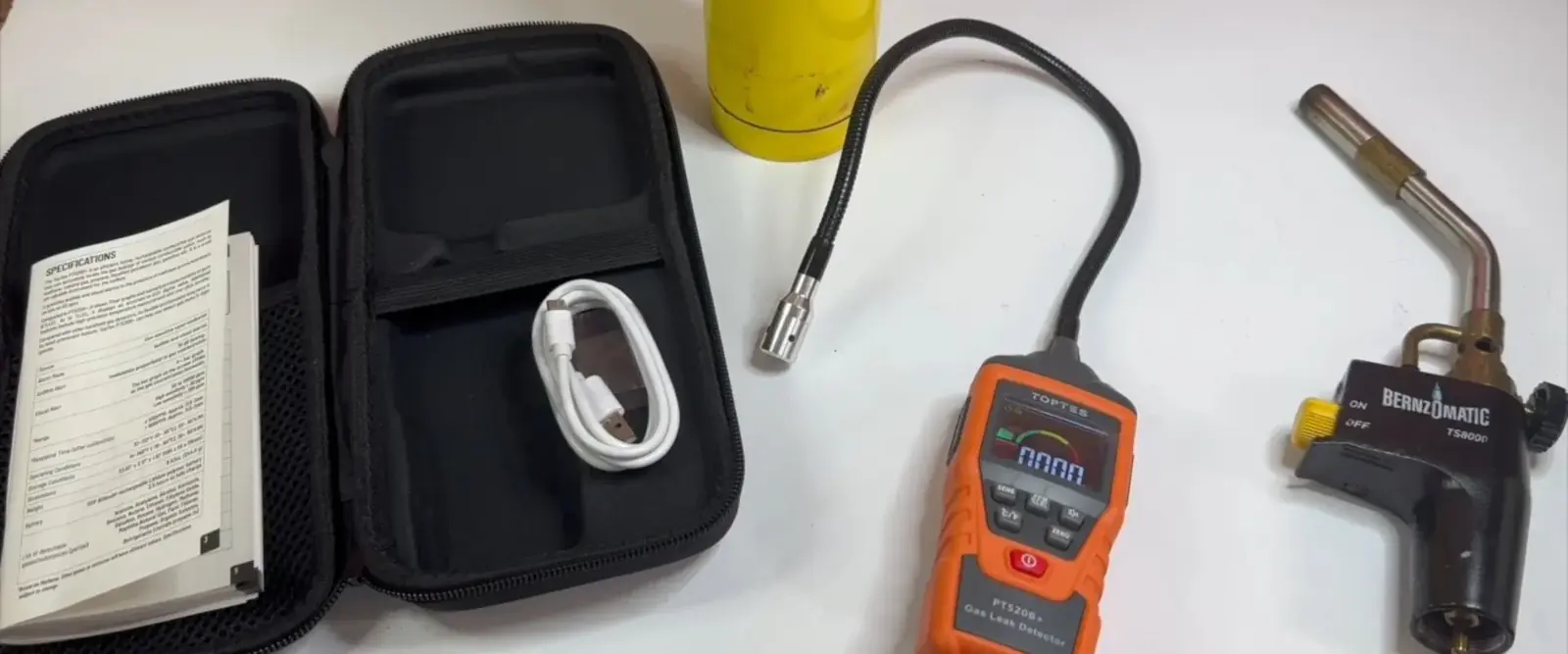
A combustible gas detector senses natural gas or propane. Natural gas is lighter than air and collects high on the wall or ceiling. Propane is heavier and collects low. A detector is placed accordingly, following the manufacturer's directions.
| Detector | Senses | Does not sense |
|---|---|---|
| Carbon monoxide | Combustion exhaust | Natural gas, propane |
| Natural gas detector | Methane | Carbon monoxide, propane |
| Propane detector | Propane | Carbon monoxide, methane |
| Combination unit | CO plus a fuel gas | Check the label for which fuel |
Where gas appliances meet plumbing
Water heaters and boilers are the gas appliances most tied to plumbing. A water heater with poor venting or a cracked flue can produce carbon monoxide. We test draft and combustion after installing a gas heater, and recommend a CO detector near sleeping areas. See water heater installation and water heater repair.
If a CO alarm sounds, get everyone outside, call 911 and do not go back in until the fire department says it is safe.
A practical home checklist
Gas and CO safety
- 1Put CO detectors on every level and near bedrooms.
- 2Replace detectors at the end of their stated life.
- 3Test them monthly.
- 4Consider a combustible gas detector near gas appliances.
- 5Know where your gas shutoff is, and your utility's emergency number.
What carbon monoxide does and why detectors exist
Carbon monoxide has no smell and no color. It binds to the blood and displaces oxygen, and it can cause headaches, dizziness and worse, long before you notice anything wrong. That is why a detector is the only reliable warning.
Detectors have a stated life, often five to ten years, and after that the sensor wears out. Check the date on the back. A detector with a chirp is telling you something, either low battery or end of life. Replace it rather than silencing it.
Where to place detectors and sensors
- Carbon monoxide detectors outside every sleeping area and on every level.
- Not directly beside a fuel-burning appliance, where a brief puff at start-up can cause false alarms.
- A natural gas detector high on a wall near gas appliances.
- A propane detector low to the floor near propane appliances.
- Follow the manufacturer's spacing and height instructions.
If you are not sure what your house has, ask us during a plumbing visit. We can look at the water heater venting while we are there and tell you what we see.
Replace batteries on schedule, even in plug-in units with battery backup. Many people only think about their detectors when one chirps at 3 a.m. A calendar reminder each fall, when the heating season starts, takes care of it.
Signs of a venting problem with a gas appliance
- Soot or scorch marks around the draft hood of a water heater.
- A burner flame that is yellow or orange instead of blue.
- A flue pipe that is loose, rusted or sloping the wrong way.
- Condensation on windows near the appliance.
- A pilot that goes out repeatedly.
- A stale or burning smell when the appliance runs.
If you see any of these, shut the appliance off and call. A venting problem can build up slowly. We check venting and combustion whenever we install or service a gas water heater.
What to do in each situation
| Situation | Do this first | Then |
|---|---|---|
| Smell of gas | Leave the building and call 911 or your gas utility | Call a plumber after it is safe |
| CO alarm sounding | Get everyone outside and call 911 | Do not re-enter until cleared |
| CO alarm chirping | Check the battery and the date on the unit | Replace the unit if expired |
| Pilot light out | Do not relight if you smell gas | Call for service if it keeps going out |
These steps are the same for every household. Post them near the detector and make sure everyone in the home, including older children, knows them. A plan you rehearse once is far more likely to be followed in a real emergency, and the few minutes it takes are worth it.
Local note for Concord homes
Heating season and your gas utility
New Hampshire's long heating season means furnaces, boilers and water heaters run for months, which is when carbon monoxide problems appear. Closed windows and sealed houses make venting problems more likely to matter.
We do not name a single gas utility for Concord addresses, because it depends on your street and whether you use natural gas or propane. Call 911 for a gas smell, and use the emergency number on your gas bill. We help with the plumbing side once the utility says it is safe. For nearby towns, see Bow and Pembroke.
Questions homeowners ask
No. It detects carbon monoxide only. A combustible gas detector senses a fuel gas leak.
Leave the building and call 911 or your gas utility from outside. Do not use switches or phones inside.
Not first. Call the utility or 911, and call us after it is safe.
Still have a question about your situation? Call the 24/7 line and talk it through with a dispatcher.
Call (603) 815-9179Sources. According to the following: Leave-and-call guidance follows published gas utility safety pages, such as Liberty Utilities' gas safety page, which does not name Concord as a service area, so confirm your own utility.