
Sewer backup: what to do first
The lowest drain in the house is where a main line backup shows first, usually a basement floor drain, a shower or a laundry standpipe. If more than one is affected, the blockage is downstream of all of them. That points to the main line, not a branch.
Water used upstairs has to go somewhere, so every flush and shower makes it worse. Turn off the washing machine and hold off on showers until we have cleared the line. If sewage has spread, wear gloves and boots and keep it away from carpeting and stored belongings.
What blocks a main sewer line
Roots, grease, wipes and collapsed pipe cause most main line stoppages. Roots enter at joints and grow into a hairy mat that catches paper. Grease builds a rind on pipe walls. Flushable wipes do not break down, and they wrap around roots and each other.
Older homes in Concord's established neighborhoods often have clay, cast iron or Orangeburg fiber pipe, all of which are prone to roots or sagging. A newer plastic line is more likely to be blocked by debris than by roots.
How we clear a main line
- Find the cleanout. Most homes have a capped cleanout in the basement or near the foundation. If not, we can often go in through a toilet or a floor drain.
- Cut the blockage. A cable machine with a root-cutting head clears roots and soft obstructions.
- Scour the pipe. A jetter flushes grease and silt from the pipe wall, which a cable alone leaves behind. See hydro jetting.
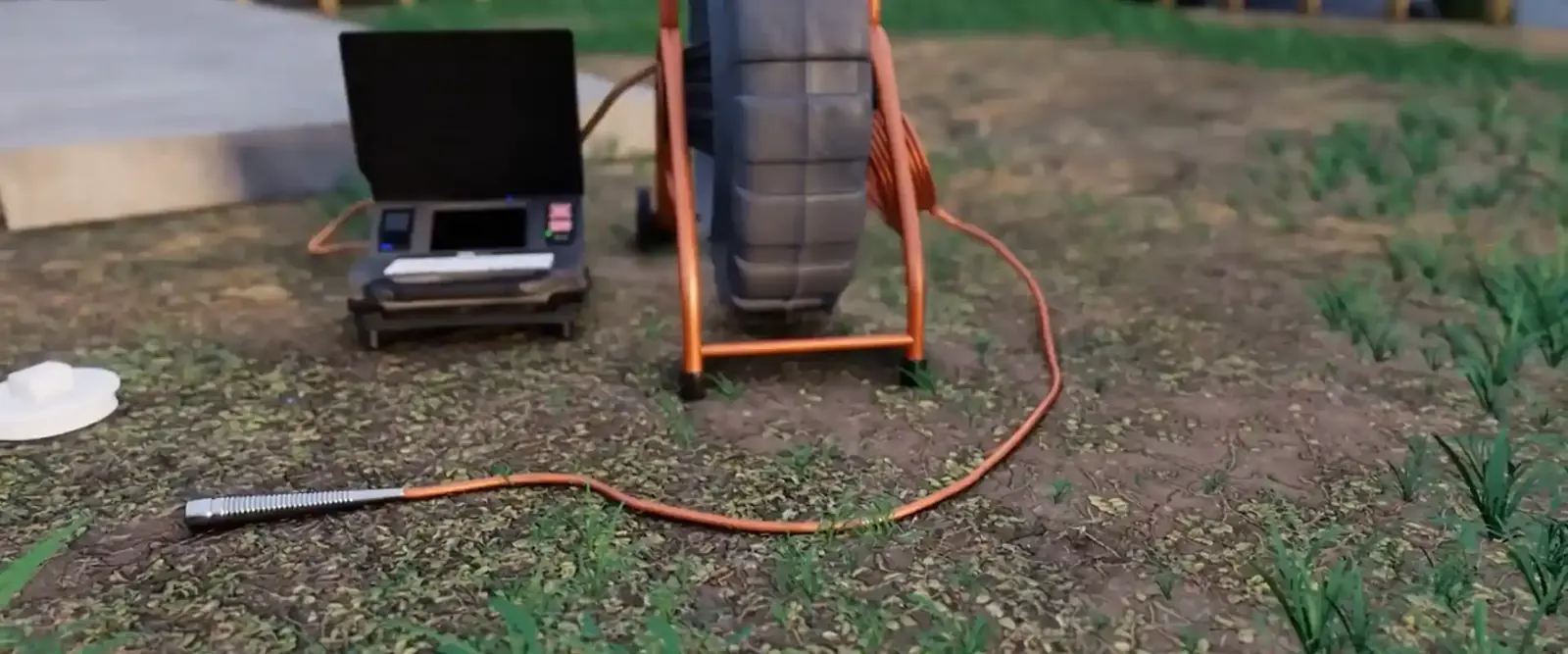
- Run a camera. A camera shows whether the pipe is sound or whether a break, belly or offset caused the blockage.
- Confirm flow. We run water through the line and check that it drains freely.
Sewer Line Cleaning help is one call away, any hour of the day.
Call (603) 815-9179City sewer and private septic
Homes in Concord proper are served by the city's wastewater system, which flows to the Hall Street plant or the Penacook plant. The city operates the main. General Services can confirm where the city's side ends and yours begins for your address, and if our camera shows the blockage is in the city main, we will tell you so you can report it.
Outside the city, in Bow and Loudon, homes are often on private septic. A septic backup can be a full tank or a failed leach field, and a cable machine cannot fix it. We tell you if it is a septic issue and what to do, as described on our Bow page.
Cleaning, then checking: why a camera matters
A line that is cleaned but never inspected will clog again if the cause is a broken pipe. A short camera run after cleaning takes minutes and shows whether the line is whole. If it is cracked or offset, you know before the next backup.
If the camera finds damage, our sewer line repair page explains options from spot repair to lining.
How often to clean a sewer line
A line with roots may need cleaning every one to three years. A clean, well-pitched plastic line may never need it. Keep a record of when it was last cleaned and what was found.
Habits that protect the main line
- 1Do not flush wipes, even those labeled flushable.
- 2Keep grease out of kitchen drains.
- 3Know where your cleanout is.
- 4Keep trees away from the line path when planting.
- 5Have the line cleaned if you hear gurgling that returns.
Sewer cleaning questions
Yes. Our line is open 24/7. Call and tell us which drains are backing up.
The blockage is usually in the lateral from your house to the street main. We can show you on camera where it sits, and if it is in the city main, you can report it to General Services.
Cutting clears them for now. Permanent fixes are repairing the joint or lining the pipe so roots cannot re-enter.
It depends on access, the cause and the equipment needed. We give you a price before work starts, after assessing the line.
Still have a question about your situation? Call the 24/7 line and talk it through with a dispatcher.
Call (603) 815-9179Sources. According to the following: The Hall Street and Penacook wastewater plants are described on the City of Concord's wastewater treatment page. Private septic guidance for Bow and Loudon follows New Hampshire DES well and septic information.