
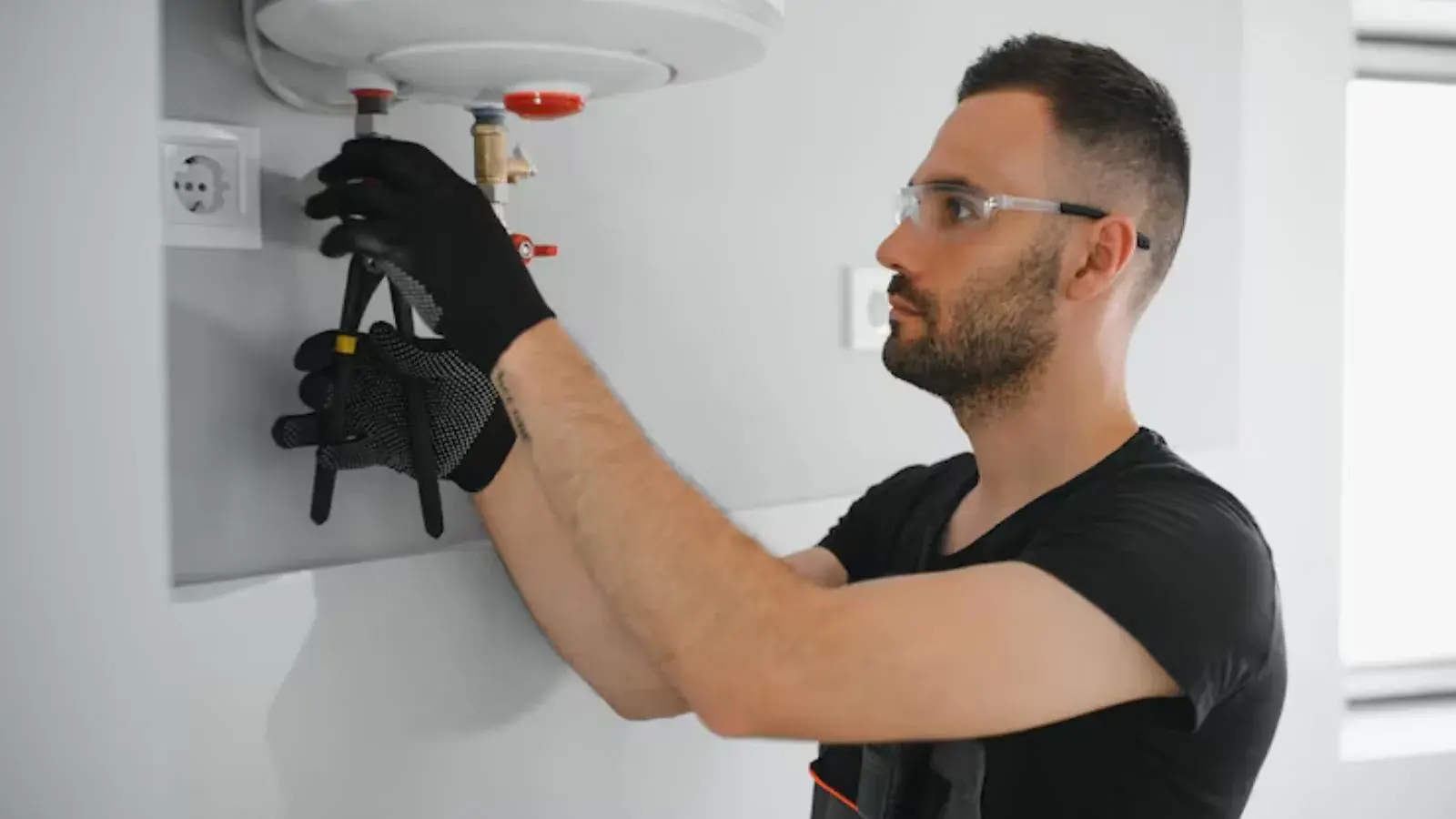
Three valves, three jobs
The gas control valve, or thermostat valve on a gas unit, regulates the burner and holds the pilot. The temperature and pressure relief valve opens if the tank gets too hot or pressure builds too high. The drain valve at the base lets you flush the tank. A leak or malfunction in any of them has a different cause and a different fix.
Replacing the right one is the difference between a quick repair and a call about a new tank. Do not guess which valve is leaking before you look.
Gas control valve problems
Symptoms of a failing gas control include a pilot that will not stay lit, a burner that does not fire even though the pilot is on, water that is too hot or too cold regardless of the setting and a clicking that never produces flame. On a younger tank, replacing the control valve is usually cheaper than replacing the tank. On an older tank, it may not be worth it.
Gas work is safety work. If you smell gas, leave the house, call 911 or your gas utility from outside and do not use switches. Do not work on a gas valve yourself. We will not relight a heater that shows back-drafting or soot until the venting is sound. See our water heater repair page.
The relief valve
A relief valve that drips or discharges is doing its job, or it is worn. If it discharges after the heater runs, thermal expansion is probably spiking pressure, which an expansion tank can fix. If it drips constantly at normal pressure, the valve seat is worn and the valve should be replaced.
Never cap or plug a relief valve. It is the last safety device before a tank over-pressurizes. Replace it with the same pressure and temperature rating, and keep the discharge line pointed down, ending near the floor.
The drain valve
A plastic drain valve that leaks a slow drip is common on older tanks. Replacing it with a brass valve is a good upgrade. To change it, you need to drain the tank first, which takes time. A garden-hose cap on the end is a stopgap that works for a while.
If the tank has not been flushed in years, sediment may block the valve. We flush it, replace the valve and tell you how the tank looks inside.
Repair the valve or replace the tank
| Situation | Common choice |
|---|---|
| Tank under 8 years, gas valve failed | Replace the valve |
| Tank over 12 years, any valve failed | Consider the tank |
| Relief valve drips, tank is fine | Replace the valve, check pressure |
| Tank leaks from the body | Replace the tank |
A valve on a failing tank is money spent on borrowed time. If your heater is old, ask for both prices. Our replacement page covers the full job.
Testing the relief valve safely
Once a year, lift the lever on the relief valve briefly with a bucket under the discharge line. Water should flow and stop when you release it. If it keeps dripping, the seat has debris or is worn, and the valve should be replaced. If it does not flow at all, it is stuck, which is worse, because it cannot protect the tank.
Be careful. The water can be scalding. Let the heater cool if you can, and keep your hands clear of the discharge line. If you are unsure, a plumber can test it during a visit.
Signs the valve problem is really a tank problem
Sometimes a valve fails because the tank behind it is failing. Rust-colored water, a rumbling sound from sediment, a tank that is more than a decade old and water pooling under the heater are all signs that the shell is going. In those cases, a new valve fixes one symptom and leaves the cause.
A quick way to tell is to look at the base of the tank. Rust streaks, wet insulation and corrosion on the bottom seam suggest an end of life. We will tell you honestly whether the part you are replacing will be outlived by the tank around it, and give you the repair price next to the replacement price.
Safety checks after any valve work
After a valve is replaced, the work is not finished until it is tested. For a gas control, that means a leak check at every joint with a bubble solution, a look at the flame and a check that the burner lights smoothly and shuts off when the tank is hot. For a relief valve, it means confirming that the discharge line is intact and pointed down. For a drain valve, it means checking for weeping after the tank refills.
Ask whoever did the work to show you each check. A plumber who tests in front of you is telling you the job is done. Keep the paperwork, note the date and mark your calendar to look at the relief valve next year. Small habits like that are what stop a minor valve issue from becoming a failed tank.
Local note for Concord homes
Soft water, steel tanks
The City of Concord reported 2022 distribution hardness of about 12 parts per million, which is soft. Valves and heating elements in Concord homes tend to suffer less from scale than those in hard-water areas, so when a control valve fails here, age and corrosion are the more likely causes than mineral buildup.
In Hooksett, homes on the Central Hooksett Water Precinct get water bought from Manchester Water Works, and homes on private wells in Pembroke and Loudon see different water. Our Hooksett and Loudon pages explain how the water source changes the advice.
What to tell the plumber
Information that speeds the visit
- 1Gas or electric
- 2Brand and age on the tank label
- 3Where water is dripping from
- 4Whether the pilot stays lit
- 5Whether the relief valve has discharged
Questions homeowners ask
Look at the source. Water from the pipe near the top is the relief valve, from the bottom is the drain valve and from the tank body means the tank has failed.
We advise against it. Gas work needs testing for leaks and combustion, so call a plumber.
It reduces scale, so valve failures tend to be from age. The city's chloramine disinfectant can age rubber seals.
Still have a question about your situation? Call the 24/7 line and talk it through with a dispatcher.
Call (603) 815-9179Sources. According to the following: Hardness data is from the City of Concord's Water Quality Report. Gas safety steps follow published gas utility guidance.